Book Appointment Now


The Importance of Safety at Construction Sites
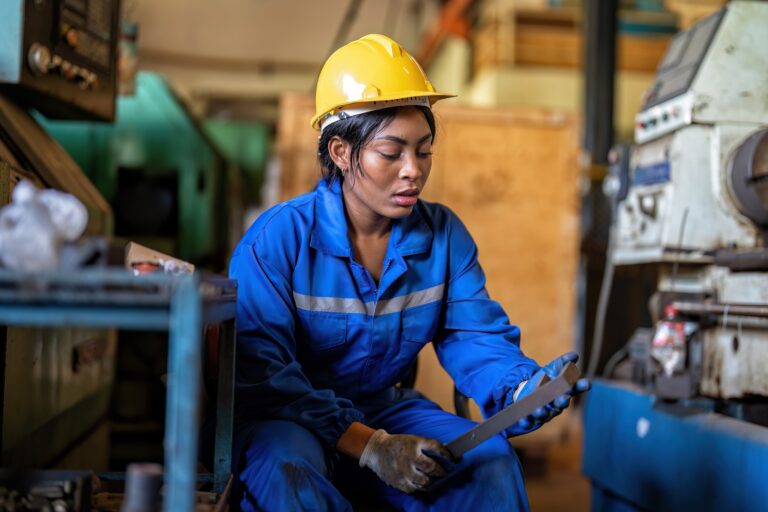
Construction sites are inherently hazardous environments. With heavy machinery, high elevations, electrical equipment, and numerous workers operating simultaneously, the risk of accidents is significantly high. Ensuring safety at construction sites is not just a legal requirement but a moral responsibility that protects workers, improves productivity, and minimizes financial losses.
Why Construction Site Safety Matters
1. Protecting Workers’ Lives
The primary reason for enforcing strict safety measures is to protect the lives of construction workers. Falls, electrocutions, being struck by objects, and getting caught in or between equipment are some of the leading causes of fatalities at construction sites. Proper safety protocols, such as wearing personal protective equipment (PPE) and following best practices, can prevent many of these tragic incidents.
2. Legal Compliance
Governments and regulatory bodies have established strict safety standards for construction sites. Failing to comply with these regulations can result in hefty fines, legal actions, and even the shutdown of projects. Organizations must adhere to Occupational Safety and Health Administration (OSHA) guidelines or local safety standards to ensure a safe working environment.
3. Enhancing Productivity
A safe work environment leads to higher productivity. When workers feel secure, they can focus better on their tasks, leading to improved efficiency. Accidents cause delays, increased costs, and low morale among workers. Implementing robust safety measures ensures smooth operations and timely project completion.
4. Reducing Financial Losses
Workplace accidents can be costly. Medical expenses, compensation claims, legal fees, and project delays can have a significant financial impact on a construction company. Investing in proper safety training, equipment, and protocols reduces these risks and saves costs in the long run.
5. Maintaining Reputation and Trust
A strong commitment to safety enhances a company’s reputation in the industry. Clients, investors, and stakeholders prefer to work with construction firms that prioritize the well-being of their workers. A good safety record can lead to more business opportunities and long-term success.
Key Safety Measures at Construction Sites
- Training and Education: Workers should undergo regular safety training to stay updated on best practices and new safety protocols.
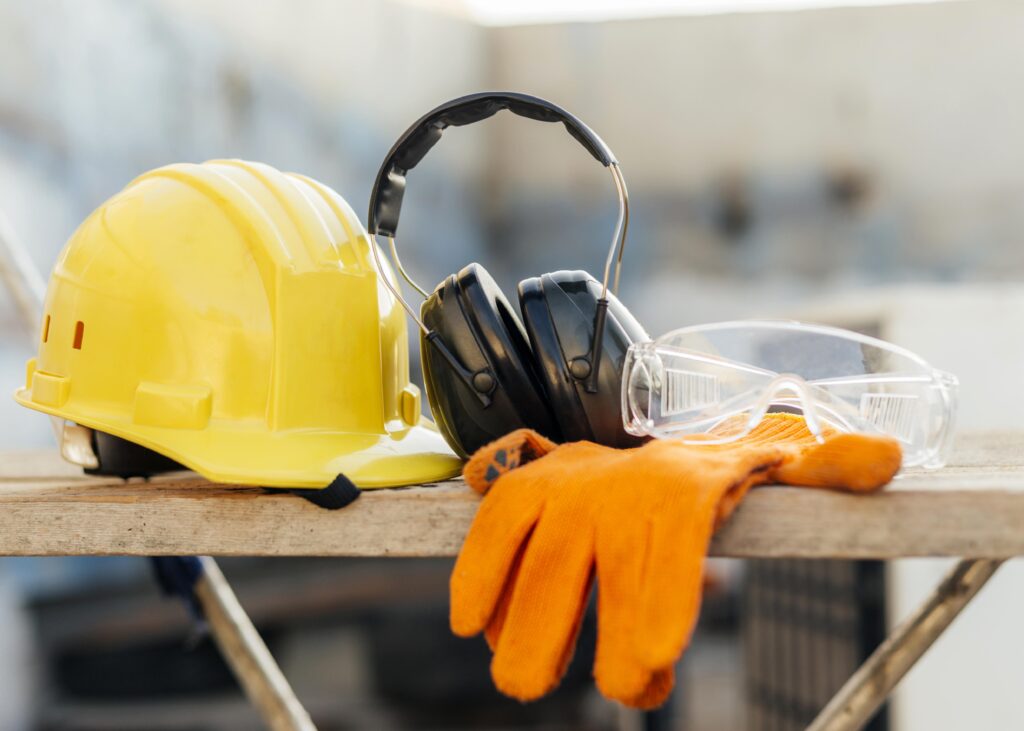
- Personal Protective Equipment (PPE): Helmets, gloves, safety harnesses, and protective eyewear must be worn at all times.
- Regular Inspections: Conducting frequent site inspections helps identify hazards before they cause accidents.
- Clear Communication: Proper signage and effective communication among workers can prevent misunderstandings that lead to accidents.
- Emergency Preparedness: Having first aid kits, fire extinguishers, and emergency response plans in place is crucial for quick response in case of an incident.
Conclusion
Safety at construction sites is non-negotiable. It not only protects lives but also ensures legal compliance, enhances productivity, and secures a company’s financial and professional reputation. Investing in safety is investing in the future of the construction industry. By fostering a culture of safety, construction firms can create a secure and efficient working environment for everyone involved.